Dog Loading
First Impressions: A Mood of Playful Energy
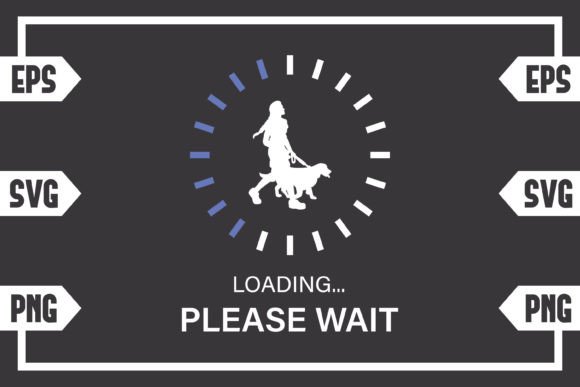
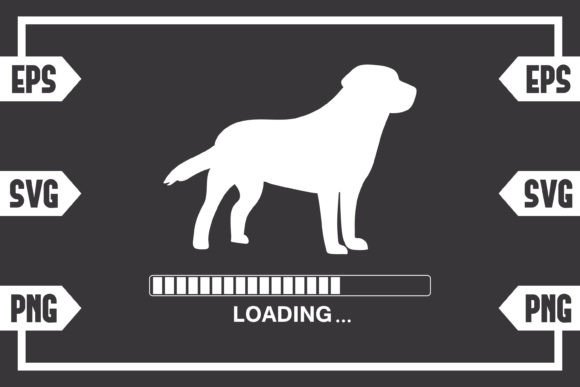
Dog Loading immediately strikes a balance between charm and simplicity. The design features a dog in mid-action, caught in the moment of loading up for a run or play. It’s not overly detailed, which makes it approachable and versatile. The shape is clean, with clear outlines that suggest a strong visual presence without overwhelming the fabric. This kind of design feels like something you’d see on a child’s backpack or a custom t-shirt—playful yet functional.
A Natural Fit for Custom Apparel and Personalized Gifts
Dog Loading works well as a machine embroidery design for custom apparel, especially in casual settings. Imagine using it on a sweatshirt or tote bag for a pet lover’s birthday gift. The theme is relatable and universal, making it a great choice for personalized items. Its simplicity also means it can be scaled down to fit smaller embroidery areas like patches or caps, which are popular among Etsy sellers and small shop owners looking to expand their product range.
Real-Life Scenario: Embroidering a Tote Bag for a Pet Lover
Let’s say I’m preparing a custom embroidered tote bag for a client who owns a golden retriever. Dog Loading would be an ideal choice. The design fits neatly into a standard hoop size and doesn’t require excessive stitch density. When stitched on a light-colored canvas tote, the design pops, adding a touch of personality without being too busy. The outline is clear, and the details are subtle enough to maintain a cohesive look even when viewed from a distance.
Performance in Real-World Embroidery Situations
Dog Loading performs reliably in most embroidery scenarios, but there are a few considerations. On dark fabrics, the contrast might be less pronounced, so testing the design on a scrap piece with the intended thread color is essential. For stretchy or thin fabrics, using a proper stabilizer is recommended to prevent puckering or distortion. The design also holds up well during frequent washing, which is important for products like baby clothes or kitchen towels.
Design Notes for Embroidery Designers and Craft Business Owners
As an embroidery designer, I always recommend testing designs on scrap fabric first. With Dog Loading, this step is particularly useful to assess how the design interacts with different fabric textures. The file format is SVG, which is compatible with major design software and machines like Cricut Explore and Silhouette Designer Edition. This flexibility makes it suitable for both personal use and commercial projects.
When considering licensing, it’s important to confirm whether the design can be used for resale or commercial purposes. Many digital embroidery files come with specific terms, and understanding these before selling finished products is crucial for maintaining brand integrity and legal compliance.
Where to Use Carefully: Fabric and Project Considerations
While Dog Loading is versatile, there are situations where it may require extra attention. On small hoop sizes, the design might appear cramped, so scaling it appropriately is key. Textured fabrics like denim or canvas can affect stitch clarity, so using a fine stabilizer helps maintain definition. Dense stitch areas should be reviewed for potential strain on the machine, and intricate corners should be checked for smooth transitions.
For curved surfaces like caps or hats, the design should be tested to ensure it flows naturally without stretching or distorting. Tiny lettering or decorative accents may also need adjustment depending on the final product’s requirements.
Visual Appeal and Customer Trust
The visual appeal of Dog Loading is understated yet effective. It adds character without overpowering the base fabric, which is important for handmade products and personalized gifts. Customers will likely appreciate the thoughtful design that complements rather than competes with the item it’s applied to.
From a customer trust perspective, the clarity of the design and its adaptability across various projects contribute to a professional finish. Whether it’s a custom sweatshirt or a boutique-branded apron, the design supports the brand’s identity while remaining accessible to a wide audience.
Practical Tips for Embroidery Designers and Small Business Owners
- Test on Scrap Fabric: Always check how the design looks and behaves on a variety of materials before committing to a full project.
- Review Thread Color Contrast: Ensure the chosen thread color provides sufficient contrast against the fabric background.
- Confirm Stitch Density: Adjust settings if needed to avoid over-stitching or under-stitching.
- Check Hoop Size Compatibility: Make sure the design fits comfortably within your machine’s hoop dimensions.
- Inspect Small Details: Pay close attention to tiny elements that might be missed in a quick review.
- Use Proper Stabilizer: This is especially important for stretchy or delicate fabrics.
- Test in Black and White Mockups: This helps identify any issues with line weight or detail clarity.
- Compare Light and Dark Backgrounds: Ensure the design maintains its impact across different fabric types.
- Consider Licensing Terms: Always verify if the design can be used for commercial or resale purposes.
Final Thoughts on Dog Loading
Dog Loading is a practical and versatile embroidery design that offers a good balance between simplicity and charm. It’s well-suited for a range of applications, from custom apparel to personalized gifts, and can be adapted for both personal and commercial use. As an experienced designer, I find it to be a reliable choice for those looking to add a playful touch to their handmade or craft business products.